
Finding my mother’s diaries and travel notebooks of her journeys, now published online as Travels with my Mother, inspired me to re-read my travel diary of my overland trip to India in my gap year, in 1976.
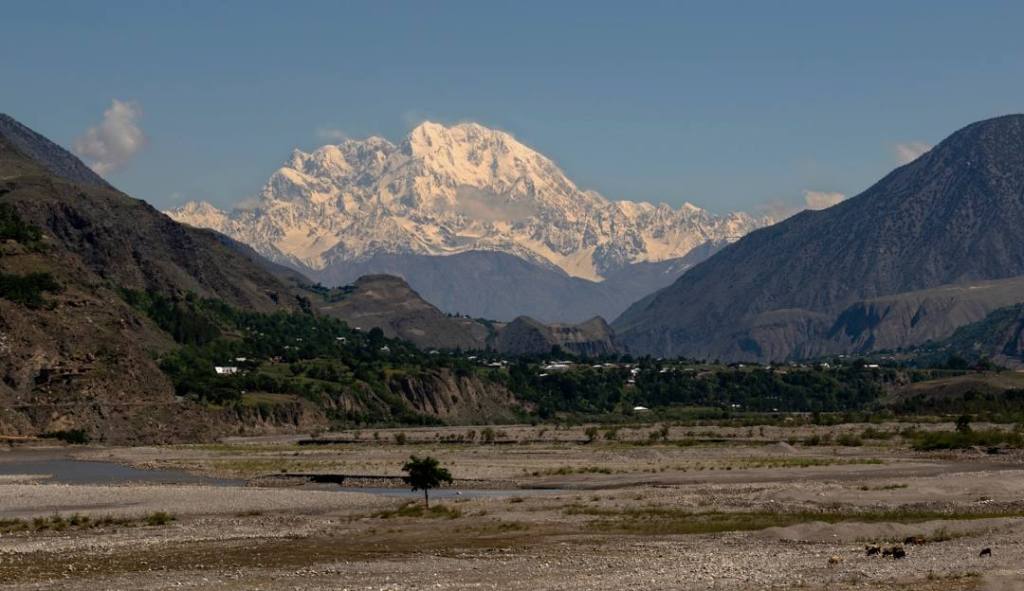
Whilst at school in Oxford I had fallen in love with a 3rd year student of Arabic, Turkish and Islamic civilisation, and we decided to go and visit his very good friend Peter Parkes, an Oxford anthropologist working on his Ph D, studying and living with the Kalash people in what the Muslims call Kafiristan (land of the unbelievers) on the Pakistan/Afghan border. In those days, few travellers went there as it was only accessible on foot. The Kalash are animists, surrounded by Muslims, pastoralists and agriculturalists, who believe in fairies, living high up in the remote border valleys. Some have blue eyes and fair hair – attributed to that old Alexander the Great fable. There’s more about them on the Kalash pages.

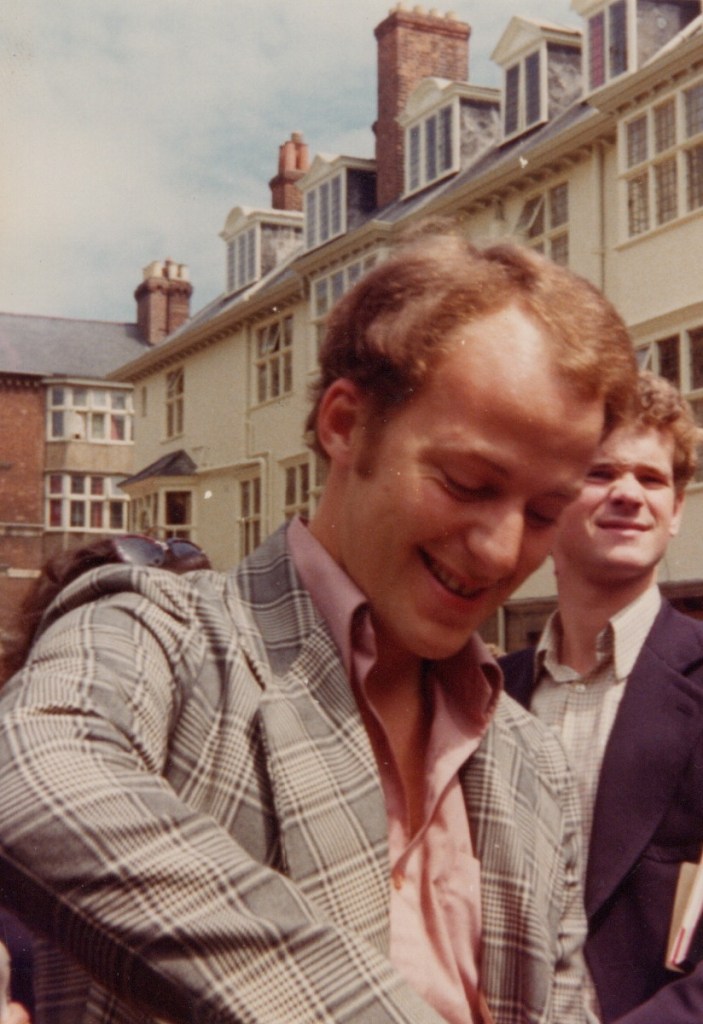
Even though that is unlikely to be true, they are a remarkable people, proud yet friendly and generous. Nowadays, the Pakistanis, smelling tourist dollars, have cut roads right through these wild valleys, making them much more accessible. Saifullah Jan, Peter’s enigmatic and handsome young fixer, became one of their biggest leaders and negotiators against the Islamic government, championing Kalash rights. He is described in the Guardian by Howard Marks, who made the journey we did by jeep in 2008, as ‘the first Kalash man to be educated outside the valley (a year’s law course in Peshawar) and chief representative for the people, lives in the village of Balangaru [where we stayed]. He is a champion when it comes to protecting the Kalash timber, walnuts (their main source of protein), land and grazing rights.’
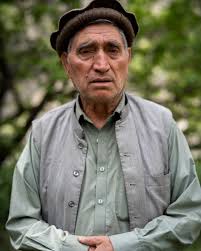
The whole journey took three months and, if I remember, our budget was 50p per day! I had saved up by working in the pub in Branscombe, and by babysitting – rate 50p ph!
We had taken the decision not to take rucksacks, and not to hitchhike and to use public transport only, so that we would not be mistaken for hippies. It was a decision that, on the whole, paid off.
Eric Newby’s A Short Walk in the Hindu Kush provided further inspiration. Do read it – one of Britain’s greatest travel writers.
This trip was, I suspect, the reason I got into Cambridge to read Archaeology and Anthropology – it certainly wasn’t for my indifferent A level results (I barely studied being so totally infatuated with J).
Like most first loves, it didn’t survive my university years, nor J’s going to live in the Middle East, where he joined Reuters in 1980. In 1984 he was kidnapped by the Abu Nadal Organisation, and managed to escape by knotting his sheets, towels and pyjamas together and crawling through terraced vineyards in the moonlight until he met the main road and found a Druze checkpoint (about three miles). Walid Jumblatt, the Druze leader, personally arranged his repatriation to the Reuters office in Beirut.
He was the best travelling companion – a walking encyclopaedia who could speak the languages we encountered, even if only in their ancient versions! But it did mean we were taken seriously and not as hippies.
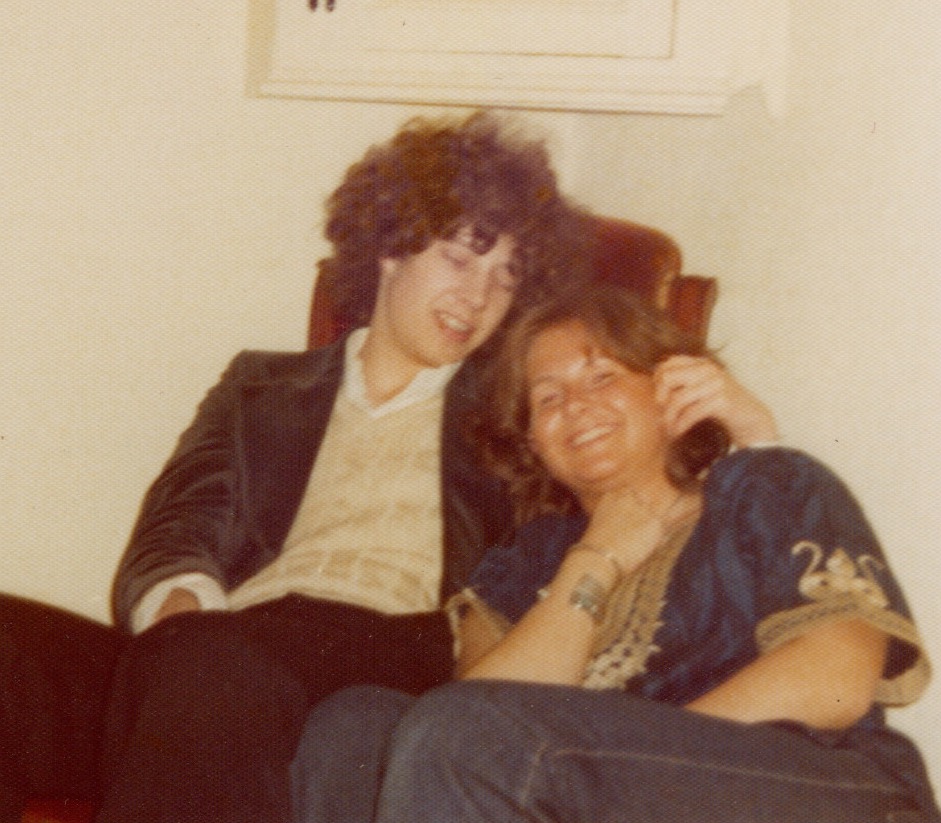
In these pages, I mix my photographs – taken on a plastic instamatic camera and very poor quality, yet atmospheric – with online images to give a feel for the places we visited (thanks to all those better photographers!). There are maps to trace our route, and historical background from time to time in italics.
I hope you enjoy travelling vicariously with me, aged 18!
Dedicated to the memory of Peter Parkes, fellow of St Anthony’s College, who died in 2024, and without whom we wold never have made this trip
 Vicky's Big Adventure